
As Rafa Nadal says, the key to the success that has kept him going for 14 years is that "you have to keep training." Well, it turns out that we managers train very little and compete a great deal, exactly the opposite of what we should be doing.
There are two types of bosses: the ones you cry over when they leave, and the ones who make you cry while they are there.
The superhero boss.
One of the most studied CEOs in business schools comes to mind; Jach Welch CEO of General Electric for 20 years. When he started in his role as CEO, the company had a market capitalization of 12 billion dollars, and when he retired its value was 410 billion dollars, the dream of any executive. Those who worked with him say that Welch knew everything, he was a visionary, fast in business, fearless and without too much compassion. By the time he left, GE's business was no longer an electric company; it was much more.
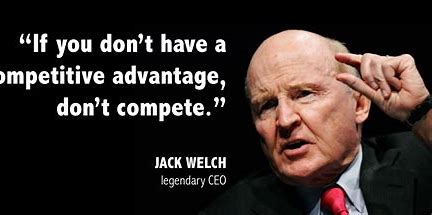
In those years Welch came across as a "superhero"; what he achieved with GE no one had achieved before, and Welch was the highest-paid CEO in history at that time. That said, Welch's actions, oriented toward short-term goals, had consequences for GE's sustainability. After 20 years the company was worth less than half, and Welch's lack of ethical standards came to light, both in the chemical products that GE manufactured and marketed and in the extremely high pressure that GE employees endured under his leadership.
Today Welch would not have been the best CEO in history.
Welch was probably one of the second type of bosses; the ones who make you cry while they are there. Today companies don't want superheroes, they want leaders who inspire, who combine ambition, humility and professional ethics. There are many lessons from the Welch era, for example corporate leadership and the focus on capturing market opportunity by diversifying the company's portfolio.
Companies must evolve from competing to coopeting, and that requires a review of the skills of the executives who lead them.
In a recent Harvard Business Review article; Reinventing Your Leadership Team they explain how essential it is to have:
Strategic vision without losing sight of operational needs.
If you make important decisions and then fail to ensure they are properly implemented, you will have wasted your time.
Reinventing Your Leadership Team
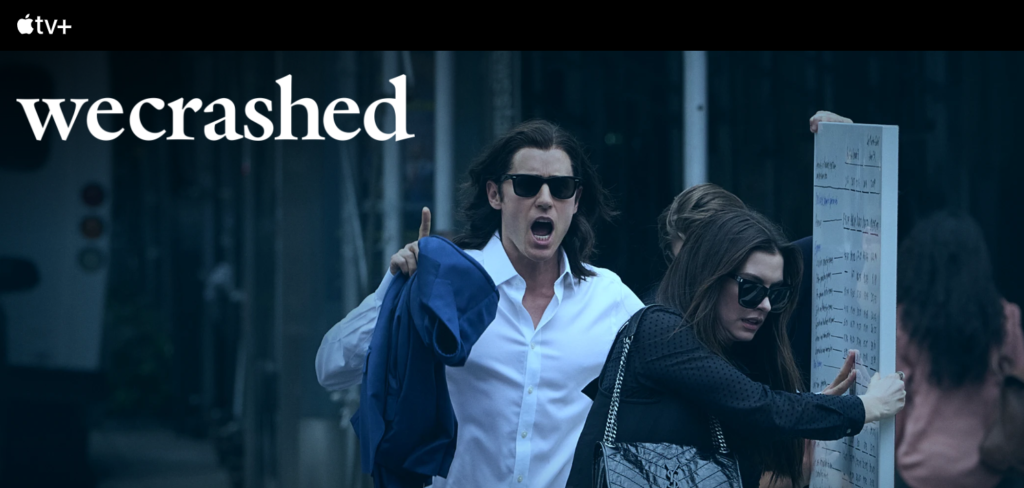
In the series WE CRASHED; a mini series based on the true story of WE WORK, the well-known company that revolutionizes the concept of shared workspace, they set up co working buildings all over the world. The founder, Adam Neumann, is pure dynamite, a visionary, he creates a new market. He creates the cool coworking, he makes going to work almost a party, he is shrewd, fast, he convinces investors and banks with his enthusiasm. He is a serial entrepreneur, but he has a shortcoming; he is not a good CEO, he lacks the operational side, having his feet on the ground and the reality of financial management.
The role of the woman is key throughout the whole story; from beginning to end it is not to be missed. ;P
In Harvard Business Review they have published the skills that the perfect leader should have, summing it up in six key roles, but highlighting 2 above the rest:
- Strategic executor: ambitious, goal-oriented, but with the focus on implementation.
- A leader who is an expert in technology, but people-oriented: a driver of new technologies that make us more competitive, but without forgetting that companies are made up of people.

What is interesting about the HBR study in Reinventing Your Leadership Team, is that, as the pink columns show, most employees consider that their manager is not equipped with that skill, which means the team's level of confidence has plenty of room for improvement.
In short, I'll stick with Rafa Nadal's phrase: "train, train and keep training."
Rafa Nadal, for the newspaper "El Español"
If you liked it, leave us your comments :)
W&B
Cargando comentarios...